
Consequences of Khamenei’s Death on International Relations
The passing of Iran’s supreme leader, Ayatollah Ali Khamenei, has triggered a wave of uncertainty on the international stage, potentially leading to profound implications for international relations. In the wake of this loss, the international community is attempting to foresee the direction Iran may take under new leadership. Khamenei’s death could create a window of opportunity for restructuring diplomatic relations, especially with the United States, which have been strained in recent years. In the absence of a figure of his authoritative stature, Iran may be more inclined to explore avenues for dialogue and negotiation, potentially resulting in a domino effect on stability in the Middle East. Simultaneously, Iran’s global partners and rivals are closely monitoring the power shifts in Tehran and how these may affect existing alliances and geopolitical strategies.
Trump Administration’s Response to Negotiation Requests
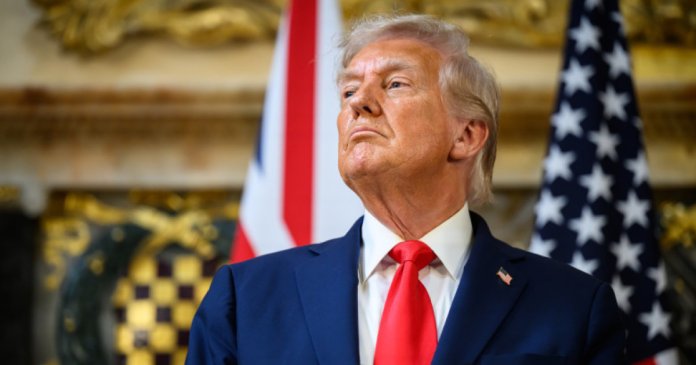
The Trump administration responded with a blend of skepticism and openness to negotiation requests from Iranian leaders following Khamenei’s death. President Trump and his advisors emphasized that any discussions must be based on clear conditions that safeguard U.S. security and interests. Additionally, the White House insisted that Iran must demonstrate through concrete actions its willingness to adhere to international commitments and to reduce activities that have generated past tensions. The administration reiterated that its primary objective remains to prevent Iran from developing a nuclear arsenal, highlighting that any negotiations must also address other concerning issues, such as the Iranian ballistic program and its regional influence. Furthermore, Trump mentioned that the United States is ready to collaborate with its allies to facilitate constructive dialogue but will not make concessions that jeopardize national security.
Potential Negotiation Topics Between the U.S. and Iran
Negotiations between the United States and Iran could cover several critical topics, given the complexity of bilateral relations and the regional context. Firstly, Iran’s nuclear program remains a central discussion point, aimed at preventing nuclear proliferation and ensuring Iran limits its nuclear activities to peaceful purposes. Washington could seek additional guarantees and a more rigorous inspection regime to confirm Tehran’s compliance with its commitments.
Another vital topic might be Iran’s ballistic missile program. The United States has repeatedly expressed concerns about Iran’s development and testing of long-range missiles, which could threaten regional and global security. Negotiations could aim to limit these activities and establish an international monitoring framework.
Iran’s influence in the Middle East, especially in countries like Syria, Iraq, Lebanon, and Yemen, could also be on the agenda. The United States may seek ways to reduce Iran’s military and financial support for Shiite armed groups in the region, which could help stabilize local conflicts and reduce sectarian tensions.
In addition to these issues, discussions might also address economic matters, such as lifting international sanctions imposed on Iran. Iran might request a relaxation of punitive economic measures in exchange for meeting certain security and transparency conditions. Such negotiations could pave the way for resuming international trade and foreign investment in Iran, which could positively impact its economy.
Ultimately, issues related to human rights and fundamental freedoms could be included in the discussions, although these
Involvement of Other International Actors in the U.S.-Iran Dialogue
The involvement of other international actors in the dialogue between the United States and Iran could play a crucial role in facilitating and mediating negotiations. The European Union, which was an important player in the 2015 nuclear deal, could once again assume the role of mediator, attempting to bring both parties to the negotiating table and providing guarantees for the adherence to any eventual agreements. Additionally, European countries might exert diplomatic pressure on Iran to accept the negotiation terms proposed by the United States.
At the same time, Russia and China, which have economic and strategic ties with Iran, could significantly influence the negotiation process. These countries may seek to protect their interests in the region and ensure that any agreement does not adversely affect their relations with Tehran. Russia, in particular, might play a dual role, acting as a mediator between Iran and the West, while also ensuring compliance with Iranian commitments.
On the other hand, the Gulf countries, especially Saudi Arabia and the United Arab Emirates, could have an indirect influence on the negotiations. Given their rivalry with Iran, these states might try to ensure that any agreement includes measures to limit Iran’s influence in the region. They may also lobby the United States to maintain pressure on Tehran until significant concessions are obtained.
International organizations, such as the United Nations, could also play a role in facilitating dialogue and ensuring a legal and transparent framework for negotiations. The involvement of these organizations could lend legitimacy to the process and contribute to creating a monitoring and verification mechanism to ensure compliance with the commitments made by the parties.
In conclusion, the success of the negotiations
Sursa articol / foto: https://news.google.com/home?hl=ro&gl=RO&ceid=RO%3Aro