
Geopolitical Impact of Conflicts
The conflicts in Ukraine and Iran have had a profound impact on the region’s geopolitics, leading to a reshaping of alliances and affecting the strategies of the involved countries. The war in Ukraine has garnered international attention and resulted in a strengthening of NATO’s presence in Eastern Europe, while tensions in Iran have raised concerns about stability in the Middle East. Russia, a key player in the Ukrainian conflict, has intensified efforts to maintain its influence in the region, while the West has sought to isolate Moscow through sanctions and support for Kyiv.
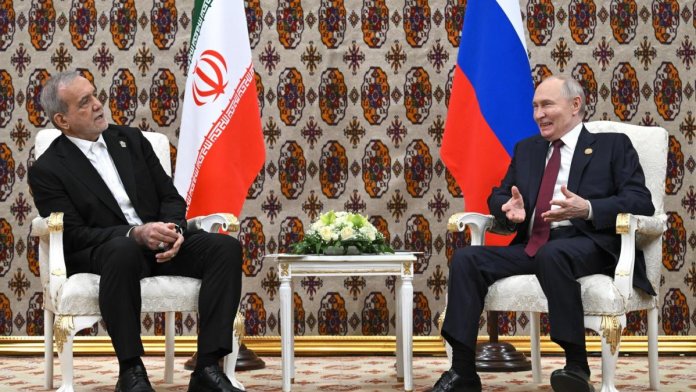
At the same time, Iran, facing internal and external pressures, has attempted to bolster relationships with traditional allies like Russia and China, aiming to counteract Western influence. These conflicts have also led to an escalation of competition for resources and energy routes, with major implications for global energy markets.
In this context, states in the region have had to reassess their foreign policies and adjust their strategies to safeguard national interests. Thus, the geopolitics of these conflicts have not only altered the balance of power in their respective regions but also had global repercussions, prompting strategic realignments and new alliances.
Military Strategies and Alliances
Regarding military strategies, the conflicts in Ukraine and Iran have prompted a profound reevaluation of tactics and international defense cooperation. In Ukraine, increased NATO military presence and support from Western states have been crucial in countering the Russian advance. Member states of the alliance have ramped up joint military exercises, provided equipment, and shared intelligence, thereby strengthening Ukraine’s defensive capacity.
On the other hand, Iran has responded to external pressures by developing its own military capabilities and strengthening ties with strategic allies. Collaboration with Russia has been evident through the acquisition of advanced military technology and joint exercises designed to deter any external intervention. Additionally, Iran has invested in developing its ballistic missile program, seen as a crucial element in its deterrent strategy.
Regional alliances have also undergone significant changes. Middle Eastern countries, aware of the volatile situation, have sought to secure their positions through bilateral and multilateral alliances. Turkey plays an ambiguous role, balancing between NATO interests and its regional ambitions, while Israel continues to closely monitor developments in Iran, keeping military options open.
These conflicts have illustrated the importance of alliances not only as means of protection but also as platforms for geopolitical influence. For many states, strategic partnerships have become essential in an increasingly polarized world, where military power and political alliances play a crucial role in determining regional and global power dynamics.
Economic and Social Consequences
The conflicts in Ukraine and Iran have generated significant economic and social consequences, felt both domestically and internationally. In Ukraine, the war has caused a dramatic decline in economic activity, with infrastructure heavily impacted by fighting. This has led to rising unemployment and a decrease in the standard of living for many citizens, while inflation and economic uncertainties have destabilized the domestic market.
In Iran, the economic sanctions imposed by the West in response to its nuclear program and regional policies have severely impacted the economy. Runaway inflation, the devaluation of the national currency, and difficulties in accessing international markets have exacerbated the country’s economic woes. The populace has felt these pressures through rising living costs and restrictions on essential consumer goods and services.
Socially, both nations have experienced an increase in discontent and internal tensions. In Ukraine, the conflict has led to massive population displacements, both internally and externally, generating a humanitarian crisis with profound implications for affected communities. In Iran, frustrations stemming from economic difficulties and a lack of political reforms have fueled protests and opposition movements, putting pressure on the Tehran regime.
Internationally, these conflicts have had a destabilizing effect on global markets. Energy prices have fluctuated significantly, particularly given that Russia and Iran are major players in the oil and gas market. This has affected economies worldwide, especially those heavily reliant on energy imports.
In conclusion, the economic consequences
Future Perspectives in the Region
In light of recent developments in Ukraine and Iran, the future perspectives in the region are marked by uncertainty and complexity. In Ukraine, efforts for reconstruction and economic stabilization will be essential to secure a prosperous future. European integration remains a strategic objective, and continued support from the European Union and other international partners will be crucial to facilitate necessary reforms and stimulate foreign direct investment. At the same time, the internal reconciliation process will be vital to overcome divisions caused by the conflict and promote social cohesion.
In Iran, the future largely depends on internal political developments and the regime’s ability to manage economic and social pressures. An opening towards dialogue and negotiation with Western powers could provide a way out of international isolation and contribute to alleviating the economic situation. However, maintaining an external policy based on resistance and strategic alliances with Russia and China may continue to influence the region’s dynamics and elicit reactions from other international actors.
Regionally, instability remains a major challenge. While the conflicts in Ukraine and Iran can offer valuable lessons about the importance of dialogue and international cooperation, they also underscore the necessity for sustainable solutions that address the underlying causes of tensions. In this context, mediation initiatives and regional cooperation could play an important role in stabilizing the region and preventing the escalation of future conflicts.
Ultimately, the future of the region will depend on the leaders’ ability to navigate a complex geopolitical landscape and find a balance between national and international interests. Adaptability, constructive dialogue, and partnerships are essential in this endeavor.
Sursa articol / foto: https://news.google.com/home?hl=ro&gl=RO&ceid=RO%3Aro