
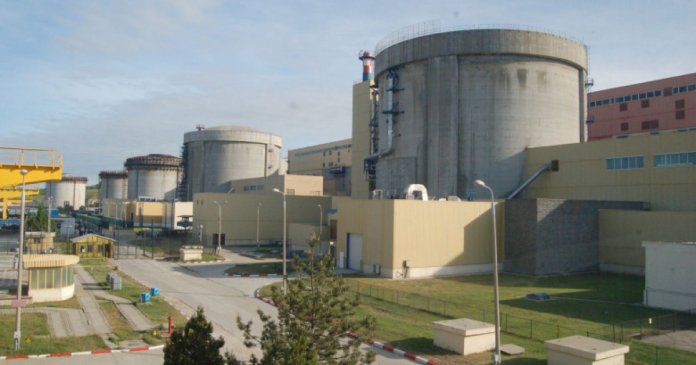
Effect of Stopping Unit 2
The shutdown of Unit 2 at Cernavodă has a noteworthy effect on Romania’s energy production capacity. This unit contributes around 700 MW to the national grid, and its temporary absence results in a significant decrease in available energy. This could lead to a supply deficit, especially during peak consumption periods. Furthermore, the shutdown may cause energy prices to rise, as importing energy will be necessary to compensate for the lack of this capacity. Additionally, stopping Unit 2 could impact the stability of the electrical grid, requiring careful management to prevent potential power outages. Companies relying on a continuous energy supply may have to adjust their operations to cope with this temporary deficit.
Causes of the Water Level Decrease
The unprecedented decline in the cooling water level used by Unit 2 at Cernavodă is driven by a number of interconnected factors. One of the primary reasons is the prolonged drought that has affected the region, significantly reducing the inflow of water in the Danube, the main water source for the nuclear power plant. The low level of the Danube has been influenced by a lack of precipitation and the high temperatures recorded in previous months, which have accelerated evaporation. Moreover, climate change contributes to more frequent and severe variations in weather conditions, further complicating water resource management. In addition to natural factors, the increased water consumption in downstream industrial and agricultural sectors has reduced the water availability for nuclear plants. These conditions have created an unfavorable environment for maintaining the optimal levels required for the safe operation of Unit 2, necessitating urgent measures to avoid risks associated with operating at reduced capacity or complete shutdown of the unit.
Measures to Remedy the Situation
In response to the challenges posed by the decline in water level used for cooling Unit 2 at Cernavodă, several measures have been proposed and implemented to remedy the situation and ensure the safe operation of the plant. One of the main solutions aims at optimizing water consumption by improving the efficiency of cooling systems. This can be achieved through upgrading equipment and adopting more advanced technologies that reduce water requirements without compromising operational safety.
Additionally, the consideration of alternative water sources, such as underground water reservoirs or wastewater recycling, is being explored to supplement the inflow from the Danube. These measures require significant investments and coordination with environmental authorities to ensure compliance with existing regulations.
Simultaneously, efforts are ongoing to collaborate with other power plants and energy institutions to develop joint strategies for long-term water resource management. This involves careful monitoring of hydrological and climatic conditions, as well as implementing emergency plans that allow for rapid adaptation to unexpected changes in water levels.
Finally, emphasis is being placed on improving communication and partnerships with local communities and the downstream industrial sector. By promoting responsible consumption practices and educating the public about the importance of conserving water resources, the aim is to reduce pressure on available resources and ensure their sustainable use.
Consequences for the Energy System
The shutdown of Unit 2 at Cernavodă has significant implications for the national energy system. Firstly, this temporary shutdown reduces the total capacity for nuclear energy production, which may lead to an increased reliance on conventional energy sources, such as coal and natural gas. Such a shift could impact greenhouse gas emissions, undermining efforts to transition to cleaner and more sustainable energy sources.
Secondly, the energy system may experience increased volatility in energy prices, especially during periods of high demand. Without the contribution of Unit 2, there is a risk that supply may not meet demand, which could result in significant price increases in the spot market for electricity.
Moreover, the stability of the electrical grid could be affected, as system operators must carefully manage the balance between energy production and consumption. In the absence of adequate reserve capacity, challenges may arise in maintaining frequency and voltage of the grid within normal limits, heightening the risk of power outages.
Additionally, the shutdown of Unit 2 may have implications for Romania’s energy export plans. Typically, the surplus energy generated by nuclear plants contributes to the country’s ability to export energy to neighboring countries. However, reduced production may limit these trade opportunities, impacting export revenues and the trade balance of the energy sector.
Lastly, the impact on energy security is a critical aspect. Without a stable and predictable nuclear energy production capacity, Romania may become more vulnerable to external fluctuations in energy markets and geopolitical factors.
Sursa articol / foto: https://news.google.com/home?hl=ro&gl=RO&ceid=RO%3Aro